Slow Pages Are Losing You Clients. Let's Fix That.
Core Web Vitals, caching, and front-end cleanup that makes your site feel fast, stable, and premium — and ranks better for it.
Get a clear scope & rangeGoogle Reviews
(LCP · CLS · INP)
+ Better UX
Remote Support
Is this a fit?
A quick check to see if this design-first approach fits your goals — and what great web design actually improves.Great fit if you need
A clean, modern design that feels premium, loads fast, and immediately earns trust — with UX that guides visitors toward calling, booking, or requesting a quote.
Clarity & trust
Clear hierarchy, spacing, and messaging so visitors instantly understand who you are and why choose you.
Conversion flow
Layouts structured to guide attention toward your highest-value actions — without clutter or confusion.
Mobile usability
Mobile-first design that stays readable, fast, and intuitive on every device where customers browse.
Not the best fit if you want
A quick template install with no messaging, no UX strategy, and no plan for conversions or mobile performance.
Ultra-rushed timelines
Projects that skip research, planning, testing, or any real design decision-making just to “get something up.”
Brand consistency
A cohesive aesthetic (color, type, spacing, imagery) that strengthens your brand and feels intentional.
SEO-ready structure
Clean headings and search-friendly layout that help your content rank — before any add-on “SEO package.”
Investment & scope
Pricing depends on how much technical debt exists and how deep the performance work needs to go. Every engagement starts with an audit so you know exactly what you're getting.Starter
Best for a focused fix
- Audit snapshot
- Top priority fixes
- 1–2 high-impact changes
- Before/after validation
Typical timeline: 3–7 days
Business
Most popular for speed + stability
- Core Web Vitals pass
- Asset cleanup (images/CSS/JS)
- Caching improvements
- Cross-device validation
Typical timeline: 2–3 weeks
Growth
For deeper cleanup + multiple templates
- Multiple templates/pages
- More refactors
- Advanced loading strategy
- Extended QA + monitoring plan
Typical timeline: 3–6 weeks
Complex CMS and large sites are scoped individually. You'll always know what you're getting before any work starts.
What to expect and when
Every optimization project starts with a baseline audit so improvements are measurable — not just claimed.| Project type | Typical timeline | What that usually includes |
|---|---|---|
| Audit + plan | 3–7 days | Baseline metrics, findings, and a prioritized fix plan — ranked by impact. |
| Core fixes pass | 2–3 weeks | Core Web Vitals improvements, asset cleanup, caching, cross-device validation. |
| Deeper refactor | 3–6 weeks | Multiple templates, advanced loading strategy, extended QA, and a monitoring plan. |
Timelines vary based on codebase complexity. All improvements are validated with before/after metrics.
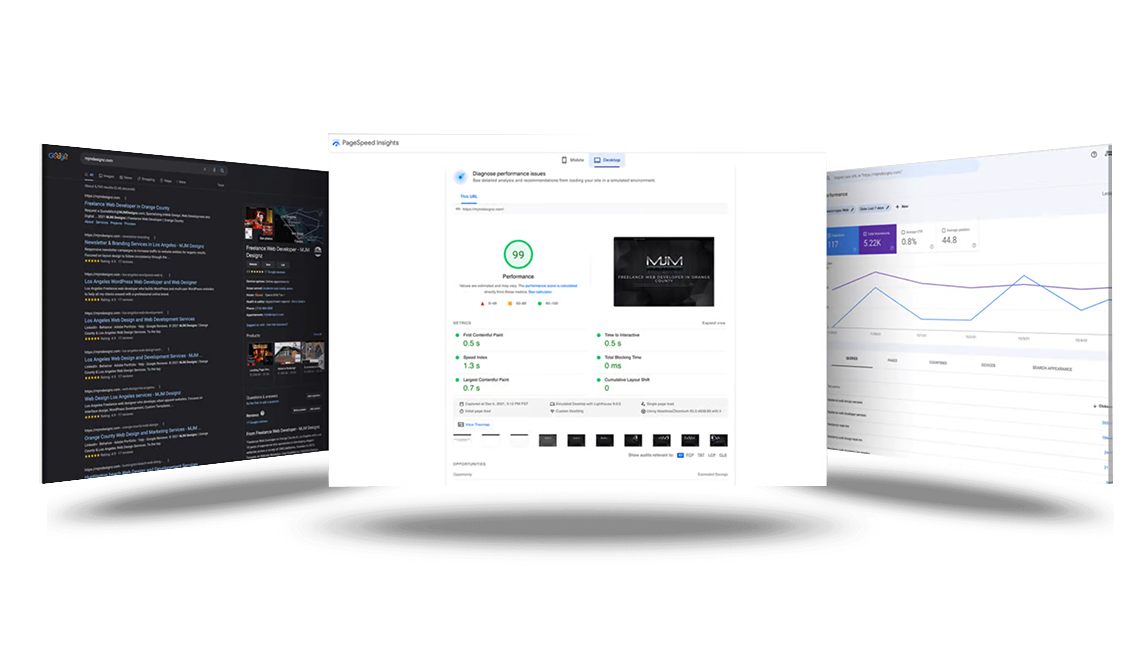
Speed Users Feel — Not Just Scores on a Report
Real-device performance that keeps visitors.
A slow first load loses most visitors before they read a word. I target the actual bottlenecks — layout shift, render-blocking scripts, and image delivery — so your site feels fast on real devices, not just in a controlled test.
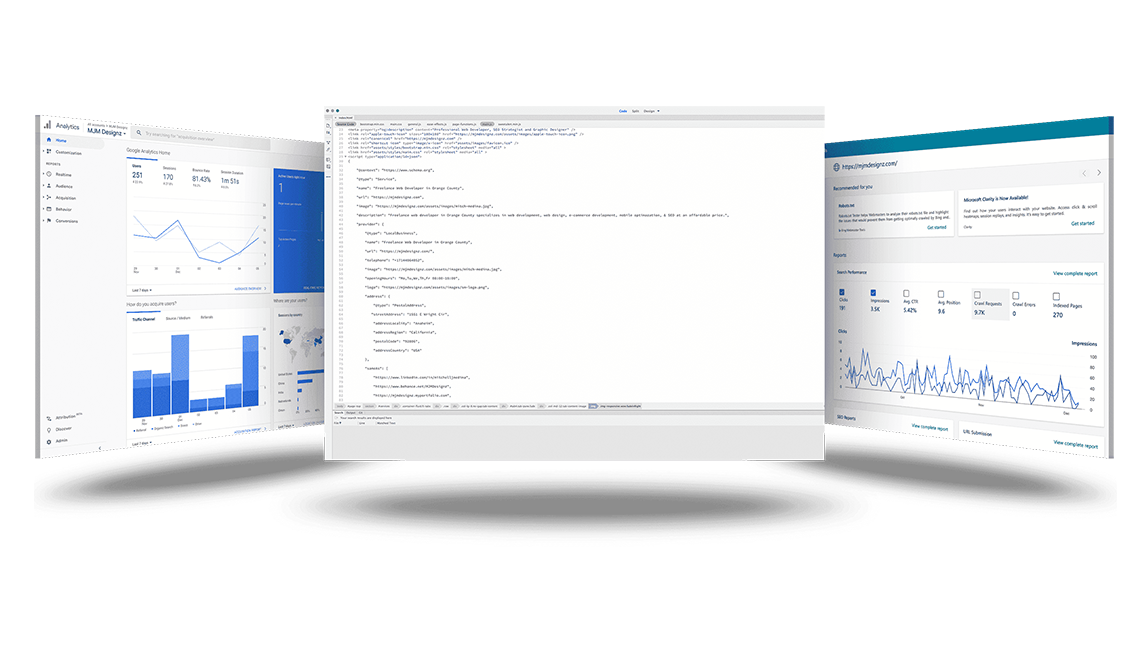
Less Bloat. Cleaner Delivery. Lower Bounce Rate.
Performance built in — not bolted on.
Oversized images, unminified scripts, and missing cache headers are silently slowing down your site every day. I audit, prioritize, and fix what's actually costing you speed — with before/after validation to show the difference.
Real Projects. Real Results.
Performance improvements that reduce bounce, improve rankings, and make your site feel premium.
Full Performance Rebuild
Rescued a slow, broken WordPress install — rebuilt with clean code, faster delivery, and a stable template system.

Fast Lead-Gen Pages
Mobile-first, optimized build that loads fast and guides action on every device.

Structure + Delivery Cleanup
Clean templates and optimized asset delivery for a professional services site.
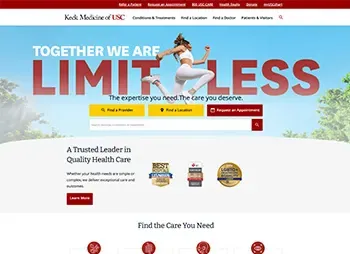
High-Traffic Healthcare UX
Stable, fast UI patterns built for USC Keck Medicine's high-volume web environment.
How design reduces risk
Clear structure, intentional messaging, and validation before launch.Discovery & goals
Define audience, services, and desired actions upfront — so design decisions are grounded in purpose.
UX & layout
Page structure, messaging hierarchy, and CTAs are mapped before visuals.
Visual design
Color, typography, and spacing are applied intentionally to guide attention.
Review & refinement
Cross-device checks, adjustments, and final polish.
Services that support real results
Websites perform best when design, SEO, and speed are planned together — not added later.Serving local businesses with Web Design in Southern California.

Web Development
Custom‑built websites focused on performance, clean code, and conversion‑ready structure — not bloated templates.
Learn more about Web Development

Search Engine Optimization
SEO strategy built around real search intent — technical foundations, content structure, and local visibility.
Learn more about SEO Services

Website Optimization
Speed, Core Web Vitals, and technical cleanup — focused on better performance, rankings, and conversions.
Learn more about Website Optimization