Web Development That Works in Production — Not Just in Preview
Clean builds, reliable CMS setups, and integrations done right. Built by a senior developer with 10+ years shipping real code for healthcare systems, law firms, and local businesses.
Request a strategy callGoogle Reviews
USC Keck Medicine
Builds
+ Remote
Is this a fit?
A quick check to see if this design-first approach fits your goals — and what great web design actually improves.Great fit if you need
A clean, modern design that feels premium, loads fast, and immediately earns trust — with UX that guides visitors toward calling, booking, or requesting a quote.
Clarity & trust
Clear hierarchy, spacing, and messaging so visitors instantly understand who you are and why choose you.
Conversion flow
Layouts structured to guide attention toward your highest-value actions — without clutter or confusion.
Mobile usability
Mobile-first design that stays readable, fast, and intuitive on every device where customers browse.
Not the best fit if you want
A quick template install with no messaging, no UX strategy, and no plan for conversions or mobile performance.
Ultra-rushed timelines
Projects that skip research, planning, testing, or any real design decision-making just to “get something up.”
Brand consistency
A cohesive aesthetic (color, type, spacing, imagery) that strengthens your brand and feels intentional.
SEO-ready structure
Clean headings and search-friendly layout that help your content rank — before any add-on “SEO package.”
Investment & scope
Development pricing depends on CMS needs, integrations, and how performance-focused the build needs to be. All projects start with a quick scope call.Starter
Best for a small build or single-page implementation
- 1 page build or small feature
- Bootstrap 4.6 implementation
- Basic tracking + QA
- Up to 2 revision rounds
Typical timeline: 1–2 weeks
Business
Most popular for multi-page builds
- Up to 6 templates/pages
- CMS setup (if needed)
- Performance pass + cleanup
- Launch support
Typical timeline: 2–5 weeks
Growth
For larger builds + integrations
- More templates/components
- Integrations + advanced forms
- SEO-friendly structure
- Extended QA + rollout
Typical timeline: 4–8 weeks
Migrations, portals, and integration-heavy builds are scoped individually. You'll always get a clear estimate before any work begins.
What to expect and when
You'll get a confirmed schedule with milestones after a quick discovery call — no ambiguity, no scope creep surprises.| Project type | Typical timeline | What that usually includes |
|---|---|---|
| Small build / single template | 1–2 weeks | Implementation, QA, performance pass, and launch support. |
| Multi-page build (3–6 templates) | 2–5 weeks | Templates/components, CMS setup (if needed), QA, launch. |
| Integration-heavy build | 4–8 weeks | Deeper QA, integrations, structured rollout, and post-launch fixes. |
Timelines depend on content readiness, stakeholder reviews, and integration complexity. Clients who stay responsive consistently hit the shorter end.
Code that holds up after launch — not just on demo day
A lot of sites look great in preview and fall apart in production. Here's what I build differently.Maintainable components — not spaghetti
Reusable, structured templates so you can add pages and features later without breaking everything that already works.
Integrations done cleanly
Forms, analytics, scheduling tools, CRMs, and third-party APIs implemented the right way — not bolted on as an afterthought.
Performance baked in from day one
Fast-loading, stable layouts with Core Web Vitals in mind — because slow pages cost you rankings and clients.
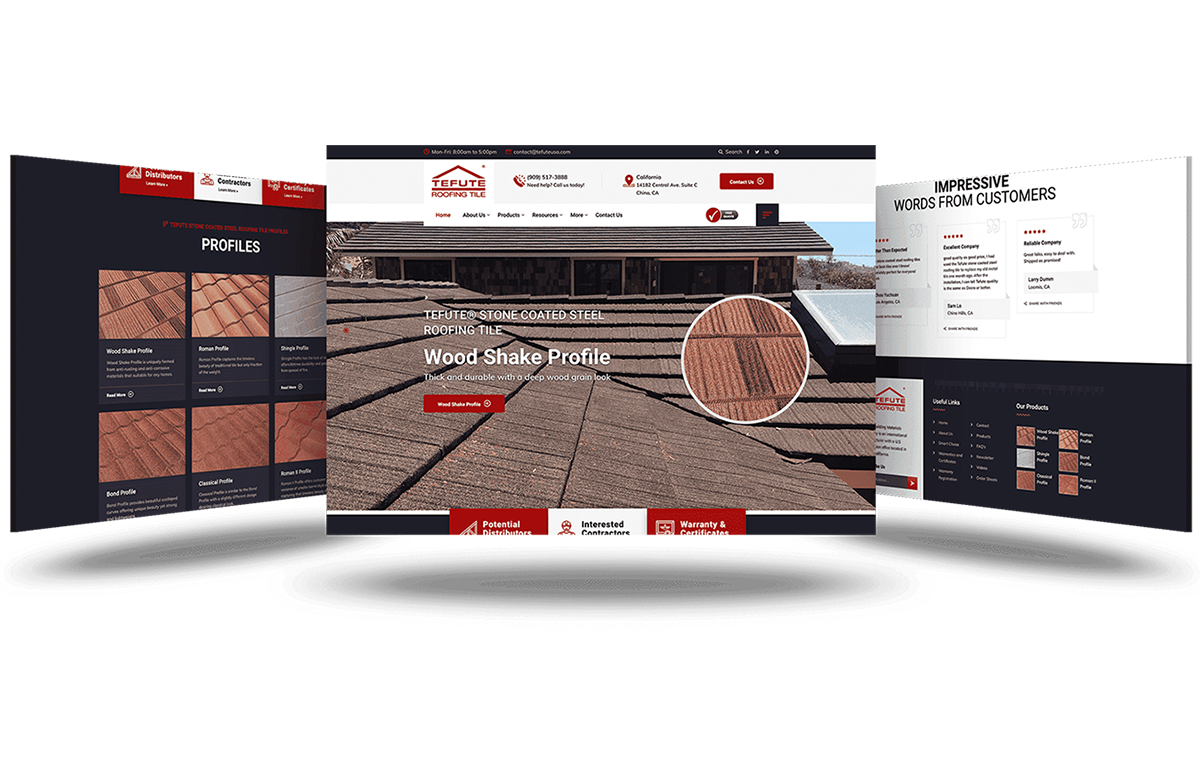
Built to Extend Without Breaking
Clean structure you can actually grow.
I build with repeatable components and consistent templates — so when you need to add a new service page, landing page, or feature, it fits cleanly instead of creating new problems.

Fast Pages. Stable UX. Fewer Headaches.
Real-device performance — not just Lighthouse scores.
Optimized asset delivery, clean scripts, and stable layout behavior so the experience holds up on actual devices in the field — not just in a controlled demo.
Real Projects. Real Results.
Enterprise health systems, professional services, e-commerce, and local businesses — built to perform and maintain.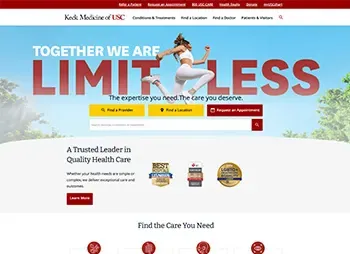
Enterprise Healthcare Build
Custom API integration, accordion templates, and GTM event tracking built for USC Keck Medicine's high-traffic web infrastructure.
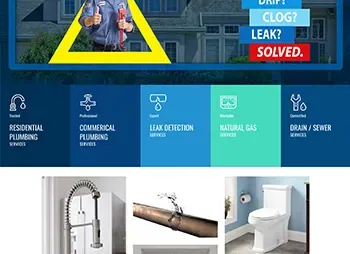
Professional Services Build
Custom WordPress theme, Stripe integration, and conversion-focused structure for a legal services firm.
Local Business Lead Gen
Fast-loading, mobile-first build with quote request functionality and SEO-ready structure.
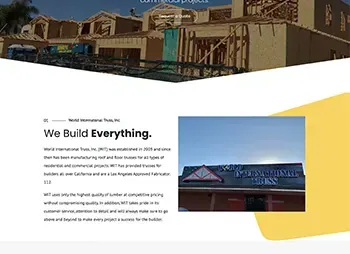
Full Performance Rebuild
Rescued a broken WordPress install — rebuilt with clean code, faster delivery, and a scalable template system.
How design reduces risk
Clear structure, intentional messaging, and validation before launch.Discovery & goals
Define audience, services, and desired actions upfront — so design decisions are grounded in purpose.
UX & layout
Page structure, messaging hierarchy, and CTAs are mapped before visuals.
Visual design
Color, typography, and spacing are applied intentionally to guide attention.
Review & refinement
Cross-device checks, adjustments, and final polish.
Services that support real results
Websites perform best when design, SEO, and speed are planned together — not added later.Serving local businesses with Web Design in Southern California.

Web Development
Custom‑built websites focused on performance, clean code, and conversion‑ready structure — not bloated templates.
Learn more about Web Development
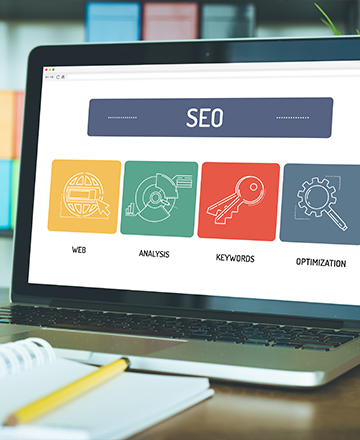
Search Engine Optimization
SEO strategy built around real search intent — technical foundations, content structure, and local visibility.
Learn more about SEO Services

Website Optimization
Speed, Core Web Vitals, and technical cleanup — focused on better performance, rankings, and conversions.
Learn more about Website Optimization