When a homeowner in Irvine searches "best plumber near me" or a patient in Anaheim types "urgent care open now," they're not browsing — they're ready to call someone. Local SEO is what determines whether that call goes to you or your competitor down the street.
This guide breaks down exactly how local SEO works, which signals Google weighs most heavily, and what Orange County small business owners can do right now to show up for the searches that matter.
Local SEO vs. General SEO: What's the Difference?
General SEO focuses on ranking a webpage for a keyword regardless of where the searcher is located — think "how to file taxes" or "best project management software." Local SEO is specifically about ranking in geographically constrained searches: "web designer near me," "dentist in Costa Mesa," or "electrician Huntington Beach."
The biggest visible difference is the local pack — the map with three business listings that appears at the top of Google results for most service-area searches. Winning a spot in the local pack typically drives more calls and clicks than ranking in the standard organic results below it.
How Google Decides Who Appears in Local Results
Google uses three core factors to rank local results:
- Relevance — How well your business matches what the person searched for. A web design agency that explicitly mentions "small business web design" on its site is more relevant than a general IT company.
- Distance — How far your business is from the searcher (or the location they specified). You can't move your address, but you can expand your relevance signals to surrounding cities through location pages and local content.
- Prominence — How well-known and trusted your business appears online. This factors in reviews, links from local sites, mentions in local directories, and the overall authority of your website.
Improve on all three and you improve your local rank. Most businesses focus only on one and wonder why they're stuck on page two.
Google Business Profile: Your Most Important Local Signal
Your Google Business Profile (GBP) — formerly Google My Business — is the single highest-impact item in local SEO. It's what populates your listing in the map pack, controls what appears in the Knowledge Panel on the right side of search results, and lets customers call you, get directions, or visit your website directly from Google.
Key things to get right on your GBP:
- Business name — Use your real business name. Don't stuff keywords into it; Google can suspend your listing for that.
- Primary category — This is the single most influential field in your profile. Choose the most specific category that fits your core service.
- Service area vs. storefront — If you go to customers (plumber, landscaper, web designer), set service areas rather than a storefront address.
- Hours — Keep them accurate. Mismatched hours between GBP and your website confuse both customers and Google.
- Photos — Profiles with photos get significantly more direction requests and website clicks. Add real photos of your work, team, and location.
- Posts — Regular GBP posts signal an active business and give Google fresh content to associate with your listing.
NAP Consistency: Name, Address, Phone
Your business name, address, and phone number need to be identical everywhere they appear online — your website, GBP, Yelp, Facebook, industry directories, and anywhere else you're listed. Even small variations (Street vs. St., suite numbers formatted differently, old phone numbers) dilute your local authority.
For Orange County businesses, this matters especially across high-authority local directories: the Orange County Business Journal, Chamber of Commerce sites for cities like Anaheim, Irvine, and Huntington Beach, and industry-specific directories relevant to your niche.
Reviews: The Prominence Signal You Can Actually Control
Reviews affect both your local ranking and whether someone clicks on your listing when they see it. A business with 4.8 stars and 40 reviews will get more calls than one with 5.0 stars and 3 reviews — volume and recency both matter.
What works:
- Ask for reviews immediately after delivering good work — timing matters.
- Send a direct link to your GBP review form so it's frictionless.
- Respond to every review, positive and negative. Responses signal engagement to Google.
- Never buy or incentivize reviews — Google detects patterns and will remove them or penalize your listing.
Your Website Still Matters — A Lot
A strong GBP alone won't win competitive local searches. Google uses your website to verify and amplify the relevance signals in your profile. If your GBP says "web design for Orange County small businesses" but your website has nothing specific about Orange County or small businesses, Google has a mismatch — and your rankings suffer for it.
The most effective website structure for local SEO is dedicated location pages — one page per city or region you serve. These pages should include:
- The city name used naturally in the headline, first paragraph, and at least one subheading
- Content specific to that market (local references, local pain points, local proof)
- Schema markup identifying the service area
- A clear call to action with your phone number and a contact form
For example, an Orange County web design page should read differently from a Los Angeles web design page — same agency, different local signals and audience context.
On-Page SEO Signals for Local Pages
Each page you want to rank locally should have:
- Title tag — Include your primary keyword and city. Under 60 characters. Example: "Web Design for Small Businesses in Irvine, CA"
- Meta description — Describe the value, include city name, include a soft CTA. Under 155 characters.
- H1 — One per page, includes primary keyword naturally.
- LocalBusiness schema — Structured data that tells Google your business type, address, phone, hours, and service area in a machine-readable format.
- Internal links — Link from blog posts and other pages to your service and location pages. This distributes authority and signals relevance.
Technical SEO: The Foundation Everything Else Depends On
No amount of keyword optimization helps if Google can't crawl and render your pages correctly. Core technical requirements for local businesses:
- Mobile-first — Over 60% of local searches happen on mobile. Google indexes the mobile version of your site.
- Page speed — Core Web Vitals (LCP, CLS, INP) are ranking signals. A slow site loses both rankings and conversions.
- HTTPS — Required. No exceptions.
- Canonical tags — Prevent duplicate content issues, especially if you have similar location pages.
- XML sitemap — Submit it in Google Search Console so Google discovers all your pages efficiently.
- No crawl errors — Check Search Console → Pages for excluded or erroring URLs regularly.
Common Local SEO Mistakes Orange County Businesses Make
- Ignoring GBP after setup — Your profile needs regular attention: updated photos, weekly posts, and prompt review responses.
- One generic services page instead of location pages — "We serve all of Southern California" on a single page doesn't rank for any specific city.
- No reviews strategy — Waiting for reviews to come in organically means your competitors who actively ask are always ahead.
- Inconsistent NAP — A phone number change years ago that was never updated in directories is still hurting you today.
- Thin location pages — Pages that swap out the city name but otherwise use identical copy are flagged as duplicate content and rarely rank.
What to Expect From a Local SEO Strategy
Local SEO is not a one-time fix. It's an ongoing process of building relevance and authority signals over time. Realistic timelines:
- Month 1–2: Technical cleanup, GBP optimization, NAP audit, location pages live.
- Month 3–4: Rankings start moving for lower-competition city terms. Review volume increases.
- Month 6+: Consistent local pack presence for target searches. Measurable increase in calls and contact form submissions.
Businesses that show up in the local pack for their core service keywords in a city like Irvine or Huntington Beach typically see a consistent, compounding return — unlike paid ads, organic rankings keep working after the initial investment.
How MJM Designz Builds Local SEO Into Every Site
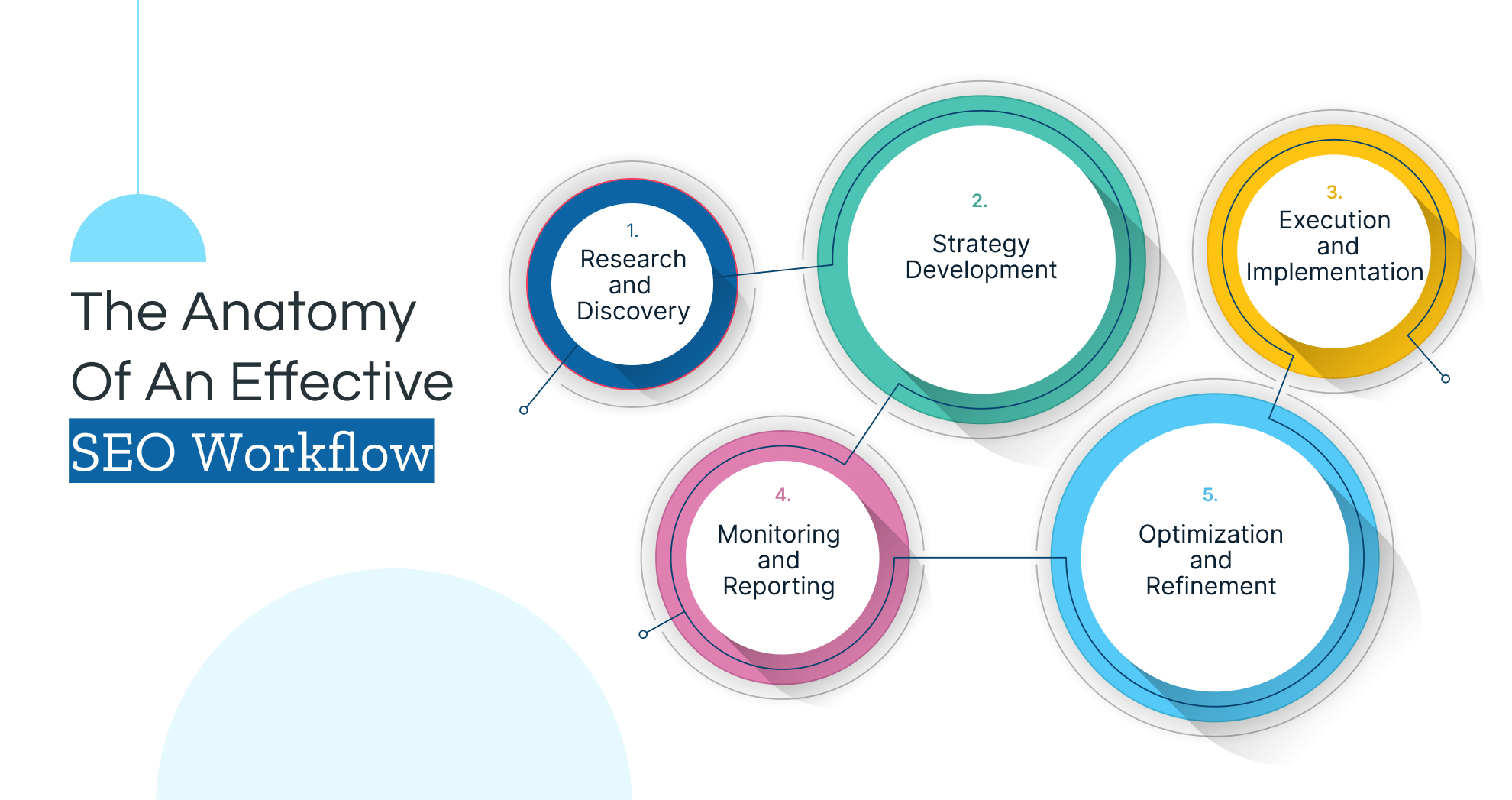
Every website MJM Designz builds for Orange County small businesses includes the technical foundation local SEO requires: fast load times, proper schema markup, mobile-first design, canonical tags, an XML sitemap, and dedicated location pages with differentiated content. For a closer look at how that fits into the build process, see our web design and local SEO workflow guide.
If you already have a site and want to know why it's not showing up locally, the first step is an audit — looking at your GBP, NAP consistency, page structure, and technical health to find the gaps. From there, the fixes are usually more straightforward than business owners expect.
MJM Designz — local SEO services for Orange County small businesses.