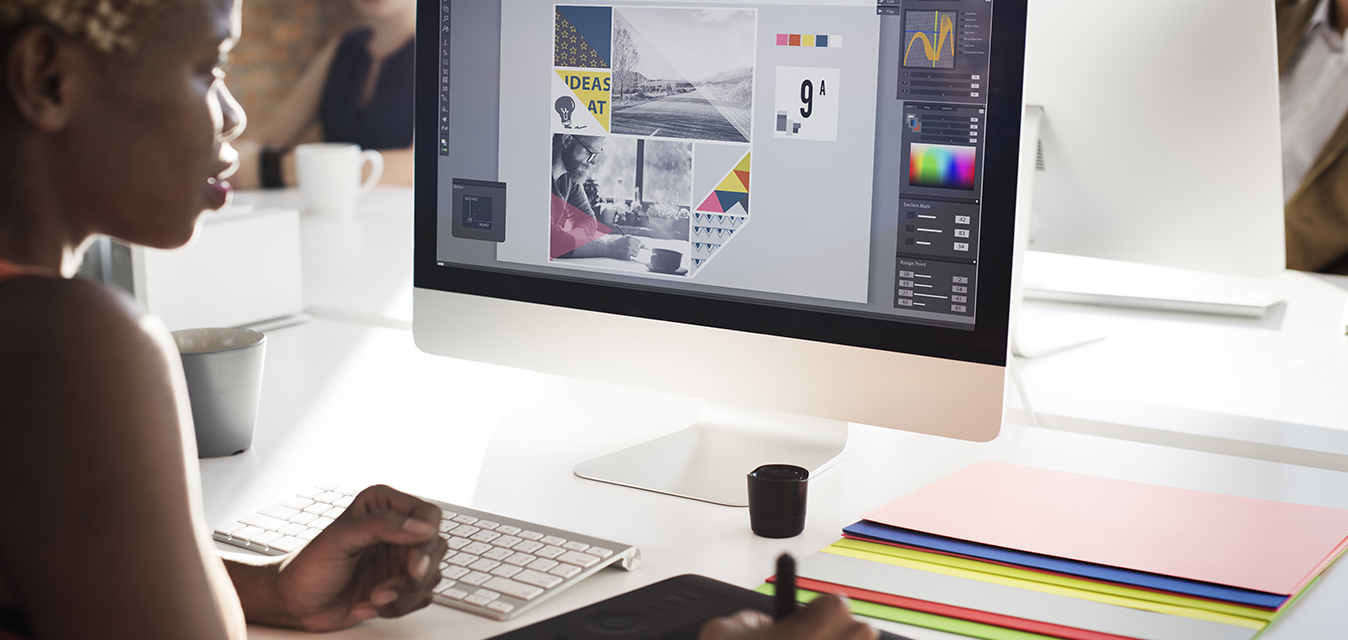
Visual communicators, graphic designers construct concepts by hand or with the help of specialized software. In both the physical and virtual worlds, they use images, words, and visuals to convey ideas that engage, educate, or influence their target audience. Staying in close contact with clients and other designers helps them ensure that their designs accurately communicate the intended message.
What is the job of a Graphic Designer?
Graphic designers use many design elements to generate artistic or functional visual solutions that communicate ideas. Advertising, brochures, periodicals, and business reports all benefit from their work. The first step is often to sketch out concepts for new projects by drawing or using computer software such as Adobe Illustrator and Photoshop.
The goal of a graphic designer is to make the company they work for more recognizable and memorable. They convey a specific idea or brand identity through text, imagery, and a mix of media for use in advertising and marketing. Common deliverables include print design, photography, animations, logos, packaging, and billboards.
Graphic designers frequently collaborate with digital marketing specialists, multimedia animators, programmers, art directors, and web designers, working as part of a broader creative team.
Graphic designers vs. illustrators
There is some overlap between the work of a graphic designer and an illustrator, but they are distinct roles. Illustrators often work with publishers, agencies, or product companies and focus heavily on drawing and creating original artwork. They may handle packaging illustration, book illustration, and character or logo development, whereas a graphic designer focuses more on layout, typography, and overall visual communication systems.
It can be challenging to think and develop new ideas as a graphic designer when creating a custom piece of artwork or layout for a client. Putting yourself in the customer's shoes can help get your creative ideas flowing. What would entice you (as a potential consumer) to make a purchase? Is it something you need or something you want?
A graphic designer's primary responsibility is to help the client's business or product gain traction in the marketplace—they act like visual salespeople. If you can create a concept that would make you want to buy, you're moving in the right direction.
It also helps to study how other graphic designers have handled similar products or services, then look for a fresh angle. Keep sketching and iterating on design concepts until a strong solution starts to emerge.
What is it like to be a Graphic Designer?
Graphic design isn't always as glamorous as it might seem. It's a high-stakes, fast-paced job that requires multitasking, meeting deadlines, and solving problems creatively under pressure. To keep up with the rapid changes in technology and trends, designers must continually stay current with new tools, visual styles, and software.
One of the most important responsibilities of a graphic designer is having a sharp sense of perception and being aware of the needs of clients and audiences. Good design requires more than aesthetic ability; it demands strong communication skills to understand and translate client goals into effective visuals.
You will stand out from the crowd as a designer if you focus on your clients' needs and their products throughout the design process, rather than on your ego or personal preferences.
Print vs. Web Design: What's the Difference?
Designing for the web introduces new variables, constraints, and opportunities that don't exist in print. Web designers must understand current technology limitations and capabilities in order to create compelling, functional layouts that work across devices and screen sizes.
For example, web typography is still limited by font licensing and performance considerations, and designers must pay attention to file sizes, responsive behavior, and load times. These constraints may limit certain design choices, but they also push designers toward cleaner, more efficient solutions.
At the same time, web design unlocks interactive features that print cannot offer: hover states, animations, video, transitions, and scroll-based effects all contribute to the overall user experience. Unlike traditional print design—where interaction is minimal—web design requires thinking deeply about how the user will move through and engage with the layout.
Are graphic designers happy?
Many graphic designers find their work highly rewarding, especially when they see their projects out in the world and making an impact. The role offers a blend of creativity, problem-solving, and collaboration, making it a popular career choice for visually driven, communication-focused professionals.