An eCommerce website isn't just a nice-to-have — it's one of the highest-leverage moves a product or service business can make. Done right, it turns your site into a 24/7 sales channel.
Whether you're based in Los Angeles, Orange County, or serving customers nationwide, an eCommerce build gives your business the infrastructure to sell, scale, and compete online. Here's what you need to know before getting started.
Why eCommerce Still Has Room for New Businesses
Online shopping continues to grow year over year. While the field is competitive, businesses with a clear niche, strong UX, and fast performance consistently carve out profitable space. The barrier to entry isn't size — it's execution.
- Open a 24/7 sales channel. Unlike a physical storefront, your eCommerce site works around the clock — taking orders, fielding inquiries, and building trust even when you're offline.
- Increase sales beyond your local market. A well-built eCommerce site removes geographic limits. You can serve customers across the state, country, or globally without additional overhead.
- Build brand authority. A polished online store signals credibility. Customers who find you through search or social media form their first impression of your brand through your website — make it count.
- Deliver a better customer experience. Smart product filtering, saved carts, fast checkout, and personalized recommendations all reduce friction and increase conversions.
Types of eCommerce Solutions to Consider
Not every eCommerce build looks the same. The right approach depends on your inventory, customer base, and long-term goals.
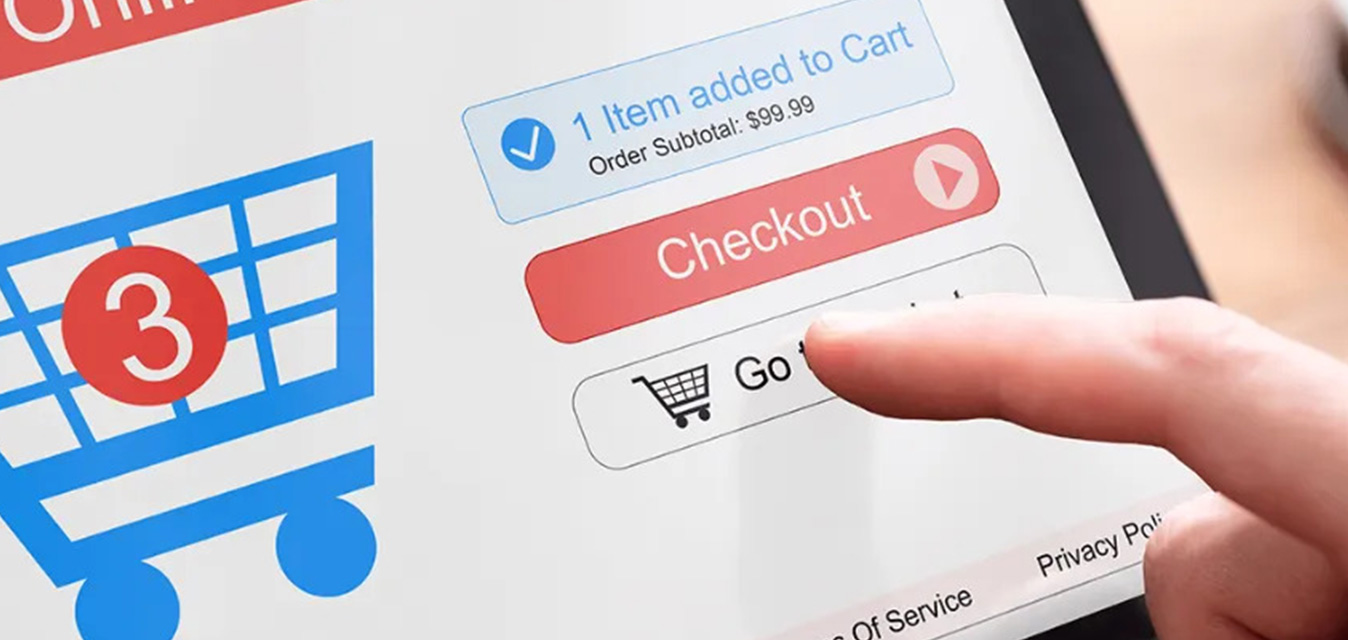
- Online shopping websites. The most direct path to selling online. A well-structured product catalog, clear checkout flow, and fast load times are the foundation of every high-converting store.
- Mobile commerce (mCommerce). Most shoppers browse and buy on mobile. Your eCommerce build needs to be fully responsive — not just visually, but in terms of tap targets, checkout UX, and page speed on cellular connections.
- Marketplace integrations. Selling on Amazon, Etsy, or Google Shopping alongside your own site expands reach. Your primary site should still be the conversion anchor — marketplaces drive discovery.
- Custom marketing automation. Email flows, abandoned cart recovery, and product recommendation engines can meaningfully lift revenue without increasing ad spend.
Platforms Worth Considering for eCommerce Development
Platform choice affects everything from development cost to long-term flexibility. Here are the most common options and when each makes sense.
- WooCommerce. The go-to for businesses already on WordPress. Flexible, widely supported, and cost-effective for small-to-mid catalogs. Best when you want full control without enterprise pricing.
- Shopify. Fast to launch and easy to manage. Ideal if you want a polished out-of-the-box experience and don't need deep custom functionality. Transaction fees apply unless you use Shopify Payments.
- Magento / Adobe Commerce. Enterprise-level platform suited for large catalogs, multi-store setups, and complex integrations. Higher development cost, but unmatched flexibility at scale.
Conclusion
An eCommerce site is a long-term investment in your business's ability to sell, scale, and serve customers on their terms. Whether you're launching a new store or upgrading an existing one, the right platform and a performance-focused build make all the difference. If you're in the Los Angeles or Orange County area, reach out to discuss what an eCommerce build could look like for your business.