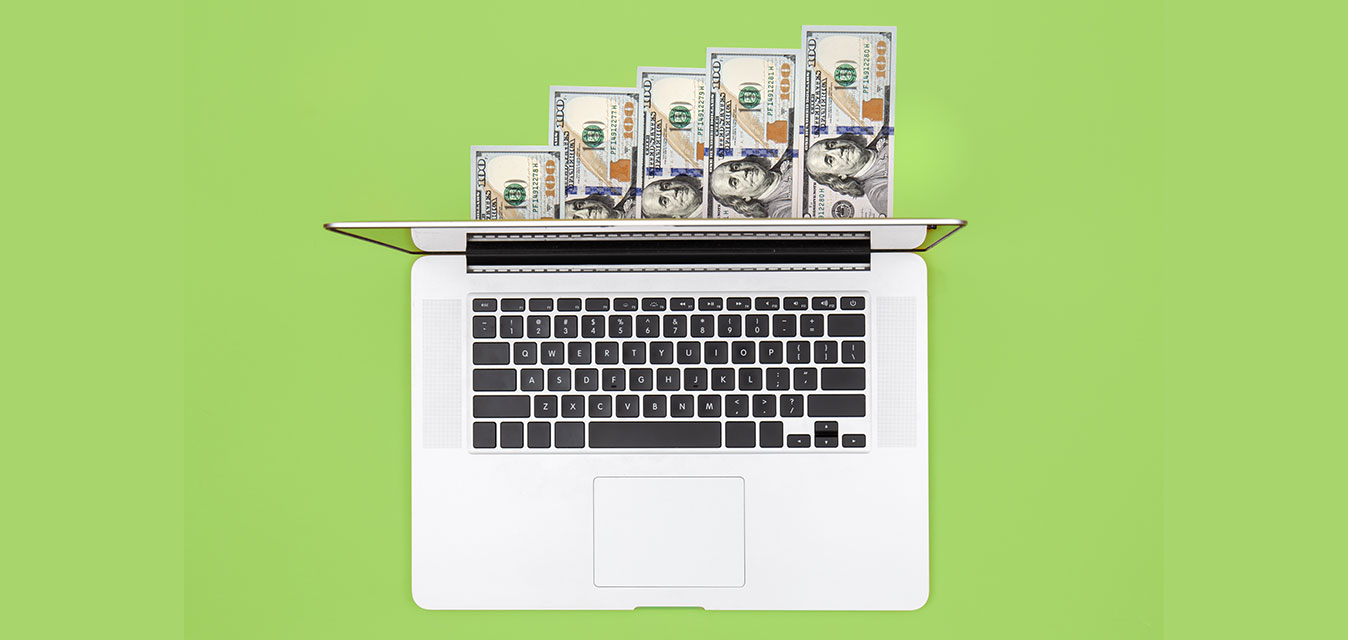
Yes — a website can generate income. But it only works that way when it's built around a clear strategy, an audience with intent, and a consistent reason to return. Here's what actually drives revenue from a website.
How Websites Generate Revenue
A website earns money by connecting the right audience to the right offer. The mechanism varies — sometimes it's a product for sale, sometimes it's a service inquiry, sometimes it's ad clicks or a referral commission. What they all share is traffic with intent, a clear offer, and a frictionless path to conversion.
1. Service Inquiries & Lead Generation
For most local and professional service businesses, a website's primary job is to generate qualified leads — calls, contact form submissions, and appointment bookings. Every page should be built toward this goal: clear service descriptions, prominent CTAs, and social proof that removes friction.
This is the highest-value revenue model for small businesses because there's no inventory, no shipping, and no marketplace fee — just a direct connection between your site and your phone or inbox.
2. eCommerce & Direct Product Sales
Selling products directly through your site removes the middleman and gives you full control over pricing, margins, and the customer relationship. Platforms like WooCommerce (WordPress) and Shopify make this accessible for businesses of any size.
The key variables are product-market fit, a smooth checkout experience, and enough traffic to generate consistent volume. A fast, mobile-first store with clear product photography and trust signals (reviews, return policy, secure checkout badges) will consistently outperform a technically similar store that lacks them.
3. Advertising Revenue
Sites with substantial organic traffic can monetize through display advertising (Google AdSense, Mediavine, Raptive) or by selling ad placements directly to relevant brands. Revenue scales with traffic — this model works best for content-heavy sites with a clearly defined audience.
PPC (Pay-Per-Click) and CPM (Cost Per Thousand Impressions) are the two most common structures. Neither delivers meaningful income until traffic is well established, which is why most service businesses treat advertising as a secondary revenue stream at best.
4. Affiliate Marketing
If your site publishes content that influences purchase decisions — reviews, comparisons, tutorials — affiliate commissions are a natural fit. You earn a percentage of sales when visitors click your links and buy from a partner retailer.
The most important rule: only promote products or services you'd genuinely recommend. Affiliate content that reads like an ad destroys the trust that makes it work in the first place.
5. Memberships & Subscriptions
Recurring revenue is the most predictable form of website income. Subscription models work when you consistently deliver something subscribers can't easily get elsewhere — exclusive content, professional community access, tools, or courses.
The upfront build is heavier, but once the flywheel is spinning, churn becomes your main metric rather than constant acquisition.
6. Online Courses & Digital Products
Knowledge you already have can be packaged and sold: courses, templates, ebooks, or downloadable resources. Margins are near 100% after production, and delivery is automated. The challenge is building enough of an audience to sustain consistent sales.
What Actually Determines How Much a Website Earns
Traffic with intent
Volume matters less than quality. 500 monthly visitors actively searching for what you offer will outperform 5,000 casual readers. SEO that targets commercial-intent keywords — not just informational ones — is what drives revenue, not just rankings.
Conversion rate
The percentage of visitors who take the action you want — book a call, buy a product, submit a form — is your most important lever. Design clarity, page speed, social proof, and a focused CTA are the main variables. Even a modest lift in conversion rate compounds significantly over time.
Website quality & speed
A slow or visually dated site erodes trust before a visitor reads a single word. Core Web Vitals scores, mobile responsiveness, and clean navigation aren't just technical checkboxes — they directly affect whether visitors stay and convert.
Offer-to-audience alignment
The best-built site won't generate revenue if the offer doesn't match what the audience actually needs. Understanding your customer's specific problem and positioning your service or product as the clearest solution is the foundation everything else is built on.
Brand trust
Reviews, case studies, real photos, transparent pricing, and fast response times all build the credibility that moves visitors from curiosity to action. Trust is the conversion rate multiplier most businesses underinvest in.
Conclusion
A website generates income when it's built to do a specific job, optimized for the traffic that will actually convert, and backed by a clear offer. The model — leads, eCommerce, ads, affiliates, or subscriptions — matters less than the execution. If you're looking to build or improve a site that actively generates revenue for your business in Orange County or Los Angeles, reach out for a free site review.
FAQs
Do I need to learn coding to build an online store?
No. Platforms like Shopify and WooCommerce handle most of the infrastructure. For a custom build that performs at a higher level, working with an experienced web developer gets you there faster and with fewer compromises.
How long does it take for a website to generate income?
It depends on the model. A service business can start getting leads within weeks of launch if the site is well-built and the SEO is in place. Organic content revenue typically takes 6–12 months to build meaningful traffic. eCommerce can generate sales quickly with paid traffic, but sustainable organic growth takes longer.
Can I earn money by publishing sponsored posts?
Yes. Brands pay to have their content featured on relevant sites with established audiences. Always disclose sponsored content clearly — FTC guidelines require it, and your readers will respect you more for it.